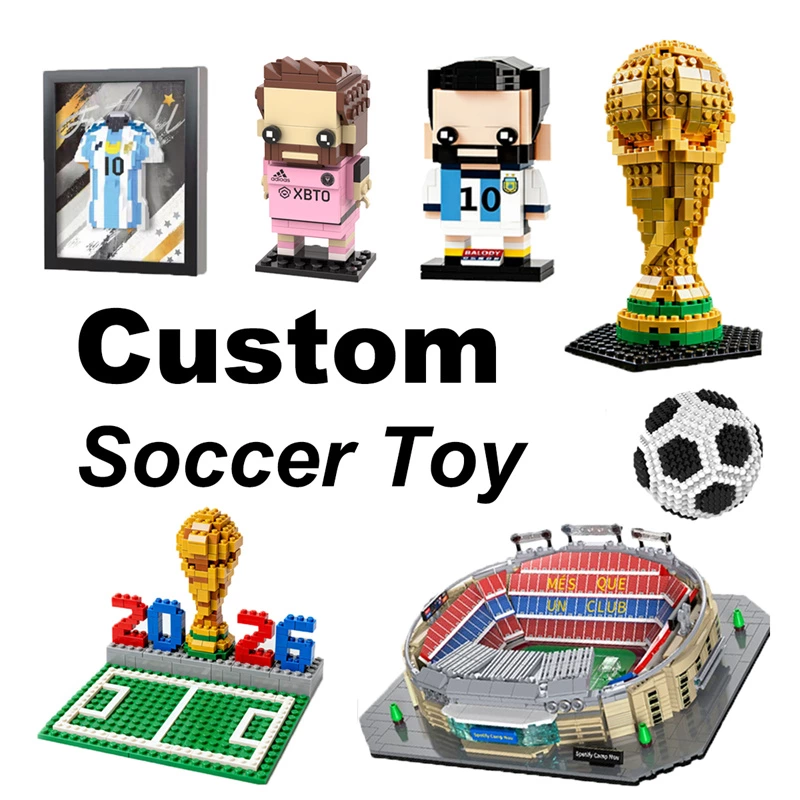
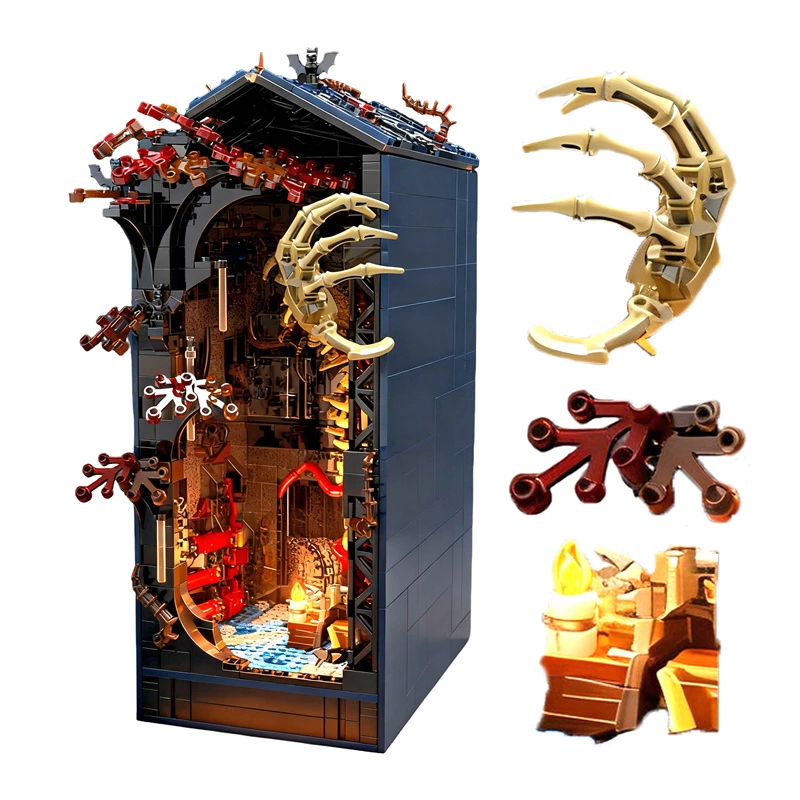
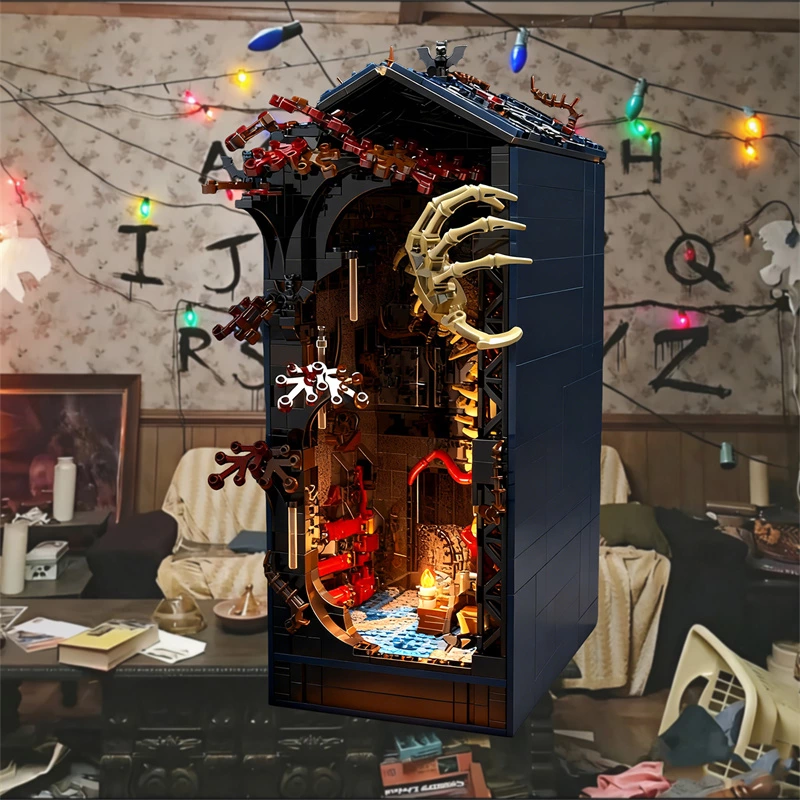
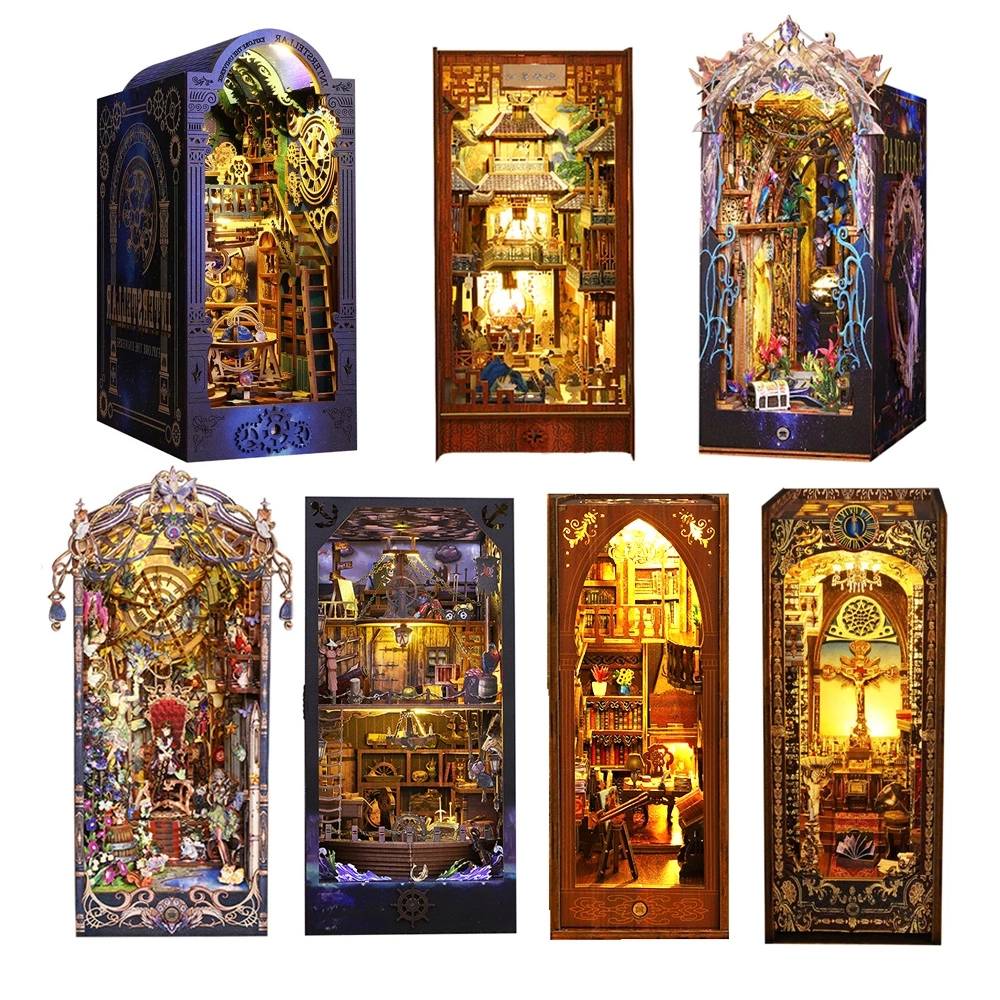
How to Choose a Custom Building Blocks Manufacturer
If you need to know how to choose a custom building blocks manufacturer, do not begin with a price list. The right supplier must be able to translate your brief into a buildable product, show how samples and changes will be controlled, define what is included in the quotation, and support the documentation required for your destination market. This guide is for brands, importers, wholesalers, retailers and product teams comparing OEM, ODM or private label partners.
The practical rule is simple: compare evidence, not promises. Ask each candidate for the same deliverables, record the answers in one scorecard, and do not approve volume production until the product specification, sample standard, packaging files, compliance responsibilities and commercial terms are written down.
Key Takeaways
- Decide whether the project is OEM, ODM or private label before comparing quotations.
- Give every supplier the same brief so price and lead-time comparisons refer to the same scope.
- Review a physical sample against written acceptance criteria before volume production.
- Treat safety, labeling, traceability and documentation as product requirements, not final-stage paperwork.
- Separate recurring unit cost from design, tooling, sample, testing, packaging and freight charges.
- Record who owns artwork, model files, tooling and production changes.
- Choose the supplier that provides the clearest evidence and change-control process, not the most attractive unsupported claim.
Contents
- Choose the right manufacturing route
- Evaluate design and engineering capability
- Request the right samples
- Clarify tooling, parts and ownership
- Put compliance into the brief
- Define materials, color and decoration
- Review packaging and instructions
- Compare quotations by scope
- Assess communication and change control
- Approve production with an acceptance plan
1. Choose the Right Manufacturing Route
Start by defining what you already have and what the manufacturer must create. An OEM, ODM and private label inquiry can describe three very different workloads, so using the terms interchangeably creates misleading quotations.
| Route | What the buyer usually brings | What the manufacturer is asked to do | Best fit |
|---|---|---|---|
| OEM | A defined concept, artwork, model or technical requirements | Develop and manufacture to the agreed specification | A differentiated product or licensed concept |
| ODM | A target market and product direction | Adapt a manufacturer-developed product or design platform | Faster category entry with selected customization |
| Private label | Brand assets and packaging requirements | Apply approved branding to a suitable existing configuration | Testing a category with limited product changes |
Ask candidates to classify the project and explain which elements are new. A custom box around an existing set should not be quoted like a new model that needs structural design, unique parts or functional modules. For a more detailed comparison, read the OEM vs ODM building blocks buyer guide.
2. Evaluate Design and Engineering Capability
A capable supplier should be able to explain how a concept becomes a stable assembly and a controlled bill of materials. The evidence matters more than a generic claim about having a design team.
Ask what inputs the supplier accepts: sketches, reference images, artwork, CAD files, target dimensions, piece-count ranges or a physical reference. Then ask what you will receive at each stage. Useful deliverables may include a concept rendering, structural model, proposed piece list, color plan, decoration files, assembly instructions and packaging artwork.
For each candidate, request answers to these questions:
- Who reviews whether the model can be assembled as intended?
- How are unstable connections, difficult build steps and part conflicts identified?
- Which files can the buyer review before a physical sample is made?
- How are revisions numbered and approved?
- What changes would require new tooling rather than standard parts?
- Can optional light, sound or motion functions be evaluated within the same product brief?
Do not assume every attractive rendering is ready for production. The selection evidence is the supplier's ability to show a review path from concept to sample, with defined outputs and decision points. See CAYI's current OEM/ODM customization process for examples of the product details that can be discussed at the brief stage.
3. Request the Right Samples
A sample is useful only when you know what it is meant to prove. Before paying for sample work, agree on the sample type, the questions it should answer and which aspects may still differ from production.
| Sample checkpoint | What to review | What to record |
|---|---|---|
| Structure | Stability, connections, assembly order and intended functions | Photos, issue list and revision number |
| Appearance | Color direction, visible gaps, decoration position and surface finish | Approved reference or tolerance method |
| Instructions | Step sequence, part identification and error-prone steps | Marked PDF and correction list |
| Packaging | Product name, artwork, warnings, contents and pack-out | Signed artwork version and sample status |
| Function | Light, sound, motion, switch or trigger behavior where applicable | Test steps, expected result and observed result |
Ask whether the sample uses production-intent materials, decoration methods and packaging. If it does not, list the differences. A handmade prototype can validate structure but may not prove production color, print durability or final packaging performance.
After review, issue one consolidated change list. Scattered comments in multiple email threads make it difficult to know which version is approved.
4. Clarify Tooling, Parts and Ownership
New parts can affect development cost, timing, minimum quantities and future control of the product. Before authorizing tooling, ask the supplier to identify which parts are standard, modified or new.
The commercial agreement should state:
- who pays for the tool;
- who owns the tool and the design files;
- where the tool is stored;
- whether it may be used for another customer;
- how maintenance, repair or replacement is handled;
- what happens to the tool when the cooperation ends;
- which party approves any change to dimensions or materials.
Apply the same discipline to model files, instructions, packaging artwork and licensed assets. If the project uses a third party's characters, logos or designs, document who has permission to use them and which approved files may be supplied to the manufacturer. This article does not provide legal advice; use your contract and intellectual-property advisers for project-specific terms.
5. Put Compliance Into the Brief
Compliance is not a certificate you add after design. Intended age, destination market, materials, small parts, magnets, batteries, sound and electrical functions can change the applicable requirements. The buyer and supplier should identify responsibilities before the quotation is treated as final.
For the United States, the U.S. Consumer Product Safety Commission states that ASTM F963 is incorporated into the mandatory toy safety framework under 16 C.F.R. part 1250. The agency also explains that applicable sections depend on the product, and that toys designed or intended primarily for children 12 and under generally require third-party testing and a Children's Product Certificate. Review the CPSC toy safety business guidance and CPSC toy safety FAQ for the current rules.
For the European Union, the European Commission describes manufacturer and importer responsibilities that include safety assessment, technical documentation, conformity assessment, the Declaration of Conformity, CE marking, traceability, instructions and required warnings. Check the Commission's current guidance on placing toys on the EU market.
Ask each supplier to state, in writing:
- which market and age grade the quote assumes;
- which party selects the applicable requirements;
- which laboratory or evidence will be used when testing is required;
- who prepares and retains reports, declarations and certificates;
- what product, packaging and traceability markings are included;
- how a failed test or design change will be handled.
Requirements change and vary by product. Confirm the current position with an appropriate laboratory or compliance specialist before placing a product on the market. CAYI's building block toy safety standards guide provides a fuller buyer-oriented planning checklist.
6. Define Materials, Color and Decoration
Do not accept broad phrases such as "high-quality material" as a product specification. Identify the material by part or component, record any restricted-substance or market requirements, and agree on how substitutions will be approved.
For color, ask how the target is communicated and how the production result will be compared with the approved reference. A screen image alone is not a reliable physical color standard. For printed graphics, labels or decorated parts, specify position, size, artwork version, visible quality criteria and any use or durability checks relevant to the product.
The goal is not to demand the same process from every supplier. It is to make sure the chosen process, reference and acceptance method are written down before production.
7. Review Packaging and Instructions
Packaging affects protection, assembly expectations, retail presentation, labeling and logistics. Share the sales channel early because a display box, e-commerce pack and distributor-ready carton solve different problems.
Confirm the following before artwork approval:
- product name, model or SKU and brand presentation;
- included parts, bags, accessories and spare-parts policy;
- age marking, warnings, traceability and responsible-party details;
- instruction language and destination-market language needs;
- barcode, label and retailer-specific fields;
- inner pack, master carton and shipping-mark requirements;
- who supplies final artwork and who checks production files.
Ask for an artwork proof and, where necessary, a packaging sample or pack-out review. A product sample in temporary packaging does not validate the final retail pack.
8. Compare Quotations by Scope
The lowest unit price is not necessarily the lowest project cost. A quotation may exclude design, tooling, samples, testing, packaging setup, inspection or freight. Compare suppliers line by line instead of comparing one headline number.
Use the same quotation matrix for every candidate:
| Cost or term | Questions to resolve |
|---|---|
| Product unit price | Which specification, quantity and packaging does it cover? |
| Design and engineering | Which deliverables and revision rounds are included? |
| Tooling | Which new parts, ownership terms and maintenance assumptions apply? |
| Samples | What type, quantity, freight and revision work are included? |
| Testing and documentation | Which market, test scope and documents are assumed? |
| Packaging | Does the price include artwork setup, printing, inner packs and cartons? |
| Inspection | What is checked, when, by whom and against which acceptance criteria? |
| Commercial terms | What payment, trade, delivery and quotation-validity terms apply? |
Ask the supplier to identify exclusions and assumptions. If two quotations use different product specifications or responsibilities, normalize the scope before deciding which is more competitive.
9. Assess Communication and Change Control
Supplier communication should produce a reliable record, not just fast replies. A useful response identifies open questions, assumptions, the current file version and the next decision required.
During the quotation and sample stages, observe whether the supplier:
- restates the brief accurately;
- separates confirmed requirements from suggestions;
- identifies missing information instead of guessing;
- keeps one numbered issue list;
- marks revised files with dates or version numbers;
- confirms the effect of a change on cost, timing, tooling, testing and packaging;
- records approvals before moving to the next stage.
A response-time promise tells you little if the response does not resolve the decision. Prefer a clear change-control habit that reduces preventable misunderstandings.
10. Approve Production With an Acceptance Plan
Before volume production, create one approval pack that identifies the current product specification, approved sample, bill of materials or piece list, color and decoration references, instructions, packaging artwork, required documentation and commercial terms.
The acceptance plan should also define what will be inspected and how nonconformities will be handled. Relevant checkpoints may include part count, assortment, assembly, visible defects, decoration, functions, packaging contents, labels and carton marks. Choose checks that match the actual product rather than copying a generic inspection list.
If the project is complex or the supplier relationship is new, a limited pilot or pre-production review can expose process issues before the full order. The purpose is risk reduction, not an arbitrary extra step; decide based on tooling novelty, product complexity, compliance risk and the cost of correction.
Custom Building Blocks Manufacturer Scorecard
Use a three-level evidence score for each category: 0 = no evidence, 1 = partial or verbal evidence, and 2 = documented and reviewable evidence. The maximum is 20 points, but this is a comparison tool rather than a universal pass mark. A critical gap in compliance, ownership or sample approval should be resolved even when the total is high.
| Category | 0 | 1 | 2 | Your evidence |
|---|---|---|---|---|
| Manufacturing route | Unclear | Named but not scoped | Route and scope documented | |
| Design deliverables | None | Verbal description | Staged deliverables and file formats | |
| Sample plan | No defined sample | Sample offered | Sample purpose and acceptance criteria | |
| Parts and tooling | Not disclosed | Partial list | Standard/new parts and ownership recorded | |
| Compliance planning | Generic claim | Market named | Responsibilities and document plan defined | |
| Materials and color | Marketing terms | Basic specification | Reference and change method documented | |
| Packaging and instructions | Discussed late | Basic options | Artwork, labels and pack-out scoped | |
| Quotation clarity | Headline price | Some exclusions | Scope, assumptions and exclusions itemized | |
| Change control | Informal messages | Some versioning | Numbered changes and approval record | |
| Production acceptance | "Quality checked" | General checklist | Product-specific acceptance plan |
RFQ Checklist: What to Send Every Candidate
To make supplier comparisons meaningful, send the same RFQ package to each candidate:
- company, destination market and sales channel;
- intended user and age grade;
- OEM, ODM or private label route if known;
- product theme, reference images and target dimensions;
- approximate piece count or complexity range;
- required colors, decoration, functions and accessories;
- available CAD, model, artwork or packaging files;
- expected order quantity and whether it is a first order or replenishment;
- packaging type, languages, labels and retailer requirements;
- target launch date and delivery destination;
- testing and documentation expectations;
- questions about samples, tooling, ownership and inspection.
If some details are unknown, label them as open decisions. A structured brief lets the supplier explain the effect of each choice instead of filling gaps with assumptions.
Red Flags When Comparing Manufacturers
Pause the evaluation when a supplier:
- guarantees compliance without first asking about market, age grade or product features;
- refuses to explain what a sample can and cannot validate;
- gives a final quotation before the product and packaging scope is defined;
- cannot distinguish standard parts from new tooling;
- uses certificates that do not identify the tested product, applicant, date or scope;
- will not document design, artwork or tooling ownership;
- changes files without a version record;
- treats every requirement as included while listing no assumptions or exclusions.
One red flag does not always disqualify a supplier, but it creates a question that must be resolved with evidence before approval.
Frequently Asked Questions
What should I ask a custom building blocks manufacturer first?
Start with category fit and development route. Share the destination market, age grade, product concept, approximate size or piece count, functions, packaging needs, expected quantity and launch date. Then ask the manufacturer to classify the work as OEM, ODM or private label and identify the missing information needed for a comparable quotation.
Should I choose a manufacturer based on MOQ?
MOQ matters, but it should be compared only after scope is aligned. A private label set, a custom model using existing parts and a project requiring new tooling can have different cost structures. Ask what drives the quoted MOQ and whether packaging, colors, new parts or functions change it. Treat unsupported fixed numbers cautiously.
What sample should I request before production?
Request the sample that answers the current project risk. A structural prototype can check assembly and stability; a production-intent sample can review materials, decoration and functions; a packaging sample can check artwork and pack-out. Record what differs from final production and approve one numbered version against written acceptance criteria.
How can I verify a supplier's compliance claim?
Ask for documents that identify the relevant product, applicant or manufacturer, standard or regulation, laboratory, report or certificate number, dates and result scope. Check whether the evidence matches your product and market. Because requirements vary, confirm the test plan with an appropriate laboratory or compliance specialist before relying on a generic certificate statement.
How should I compare two manufacturer quotations?
Create one matrix covering product specification, quantity, design deliverables, tooling, sample rounds, testing, packaging, inspection, payment, delivery terms and exclusions. Normalize different assumptions before comparing totals. A lower unit price may not be lower overall if essential development or compliance work is excluded.
Final Decision
The best way to choose a custom building blocks manufacturer is to turn every important promise into reviewable evidence. Align the manufacturing route, issue the same RFQ, inspect the right sample, document compliance and ownership responsibilities, normalize quotation scope, and approve production against a controlled specification.
If you are preparing a new OEM, ODM or private label project, review CAYI's custom building block solutions and send your product brief. Include your target market, age grade, concept, functions, estimated quantity, packaging needs and launch date so the project can be evaluated against the right scope.