Building Blocks for Kids: 7 Types, Age Guide and Buyer Checklist
The right building blocks for kids match the child's intended age, the size and complexity of the pieces, the way the set is meant to be played with, and the safety requirements of the destination market. Large, easy-grip blocks may suit early building play, while standard interlocking bricks support more detailed construction and technical or mini-brick sets require greater dexterity and attention. For wholesale buyers, the best set is also one that can be sampled, documented, packed and supported consistently.
This guide compares seven common formats and then turns that comparison into a practical buying checklist. Age ranges below are starting points, not substitutes for the age grade, warnings and instructions validated for a specific product.

In this guide
- Quick comparison of 7 building block types
- Large interlocking blocks
- Standard interlocking plastic bricks
- Magnetic tiles and blocks
- Wooden unit blocks
- Foam and jumbo blocks
- Technical connector sets
- Mini bricks and themed model sets
- Safety and compliance
- Wholesale sample test
- Building block RFQ
Key takeaways
- Start with the intended age, abilities and play pattern before comparing themes or piece counts.
- For children under 3, small parts are a critical safety issue; follow the product's verified age guidance and warnings.
- Open-ended blocks, guided model sets and technical systems create different play experiences. None is automatically best for every child or retail channel.
- LEGO is a trademark, not a generic name for all interlocking bricks. Use accurate product terminology and do not imply affiliation.
- Wholesale buyers should approve an exact sample, instructions, packaging and item-level compliance evidence before production.
- A factory certificate, logo or broad claim does not prove that every SKU is compliant in every market.
Quick comparison of 7 building block types
| Type | Common user fit | Main play experience | Important buyer check |
|---|---|---|---|
| Large interlocking blocks | Early builders, subject to the product's age grade | Easy gripping, stacking and simple structures | Piece size, rounded finish, washability and small-parts assessment |
| Standard interlocking bricks | Preschool and school-age builders, depending on set complexity | Open-ended construction or guided models | Connection consistency, edge finish, instructions and spare-parts plan |
| Magnetic tiles or blocks | Builders who enjoy fast 2D-to-3D construction | Geometry, large structures and rapid rebuilding | Magnet retention, enclosure strength and market-specific requirements |
| Wooden unit blocks | Homes, classrooms and open-ended play areas | Balance, proportion and imaginative construction | Surface finish, coatings, splinters, dimensional consistency and storage |
| Foam or jumbo blocks | Group play and large floor structures | Movement, collaboration and full-body building | Seam strength, cleanability, material evidence and storage volume |
| Technical connector sets | Older or more experienced builders | Gears, axles, motion and problem solving | Functional durability, instruction accuracy and battery/electrical scope if used |
| Mini bricks and themed model sets | Patient builders and display-oriented users | Detailed assembly, storytelling and collecting | Small-parts age grade, piece sorting, build time and model stability |
1. Large interlocking blocks for early building play
Large interlocking blocks reduce the fine finger control needed to connect and separate pieces. They can be useful when the goal is simple stacking, color and shape exploration, or first construction play. The U.S. Consumer Product Safety Commission advises keeping toys with small parts away from children younger than 3 and following age guidance on packaging. That does not mean every large block is automatically suitable for toddlers; the complete product still needs an item-specific age assessment.
A good fit when: the product is designed for short builds, frequent rebuilding and easy handling.
Buyer checks:
- Confirm the intended age and piece dimensions for the exact set.
- Inspect every accessible edge, corner and connector after repeated assembly.
- Check whether the storage bag, box, wheels, figures or decorative parts introduce smaller components.
- Ask how the product and packaging are cleaned and whether printed instructions are still readable afterward.
2. Standard interlocking plastic bricks
Standard interlocking bricks offer the broadest range of product formats: basic brick boxes, vehicles, buildings, characters and themed playsets. They can support open-ended building or a guided model, depending on the part mix and instructions.
For the user, the most noticeable quality signal is consistency. Connections should be firm enough to hold a model together while remaining practical to separate. A sample review should also check color consistency, burrs or sharp flash, visible stress marks, deformed plates and whether pieces sit flush. These are product-quality checks, not substitutes for laboratory testing.
A good fit when: a retailer wants a familiar construction format that can range from simple creative boxes to detailed licensed or original themes.
Buyer checks: verify the exact brick format, part list, replacement policy, bag sequence, instructions and any compatibility claim. Do not assume that all standard-size bricks from different systems will perform identically.
3. Magnetic tiles and magnetic building blocks
Magnetic construction systems let children move quickly from flat shapes to three-dimensional forms. They can make large structures with less pressing force than interlocking bricks, which creates a different play rhythm.
The magnets also create a distinct safety and compliance question. Buyers should evaluate whether magnets remain securely enclosed after foreseeable drops, twisting and repeated use. A supplier should be able to identify the magnet specification, enclosure method, product age grade and applicable test scope for the destination market. A generic statement such as "safe magnets" is not enough evidence for an order.
A good fit when: the desired experience is rapid construction, geometric exploration and frequent rebuilding.
Buyer checks: magnet retention, enclosure seams, cracked-part risk, cleaning method, package warnings and the exact market requirements.
4. Wooden unit blocks
Wooden blocks do not depend on studs or magnets. Their value comes from balance, proportion and the freedom to combine simple shapes. In classrooms or play spaces, a consistent dimensional system helps children create stable walls, bridges and patterns.
The finish matters as much as the wood species. Review samples for splinters, sharp corners, rough holes, coating transfer, odor, warping and color variation. Painted or printed wooden pieces may have different chemical evidence requirements from unfinished blocks.
A good fit when: the product strategy emphasizes tactile, open-ended play and a durable classroom or home-play format.
Buyer checks: moisture and warping control, surface finish, coating documentation, drop performance, packaging weight and storage.
5. Foam and jumbo construction blocks
Foam and jumbo blocks turn construction into floor-scale or group play. Children can move large pieces, build enclosures and collaborate on structures without managing hundreds of small parts.
The tradeoff is storage and surface durability. Large products can consume significant shelf and shipping volume, and seams or printed surfaces may show wear after cleaning. Retail buyers should compare the assembled play value with carton dimensions, case pack and display requirements rather than looking only at unit price.
A good fit when: nurseries, activity centers or family spaces want large collaborative builds.
Buyer checks: material and seam construction, cleanability, odor, compression recovery, carton size and retail-display plan.
6. Technical connector sets with gears and motion
Technical systems add axles, pins, gears, steering or powered functions. They appeal to builders who want mechanisms as well as a finished model. The challenge should come from the design, not from unclear instructions or parts that bind unexpectedly.
If a set includes LEDs, motors, batteries, charging, sound or wireless control, the compliance scope changes. Treat those functions as part of the product definition from the first quotation. Removing them from the sample and adding them after testing can make the evidence package incomplete.
A good fit when: the product is intended to teach mechanisms, create movement or deliver a more advanced build.
Buyer checks: moving-part durability, pinch points, instruction validation, battery access, wiring protection, spare functional parts and the applicable electrical or radio requirements.
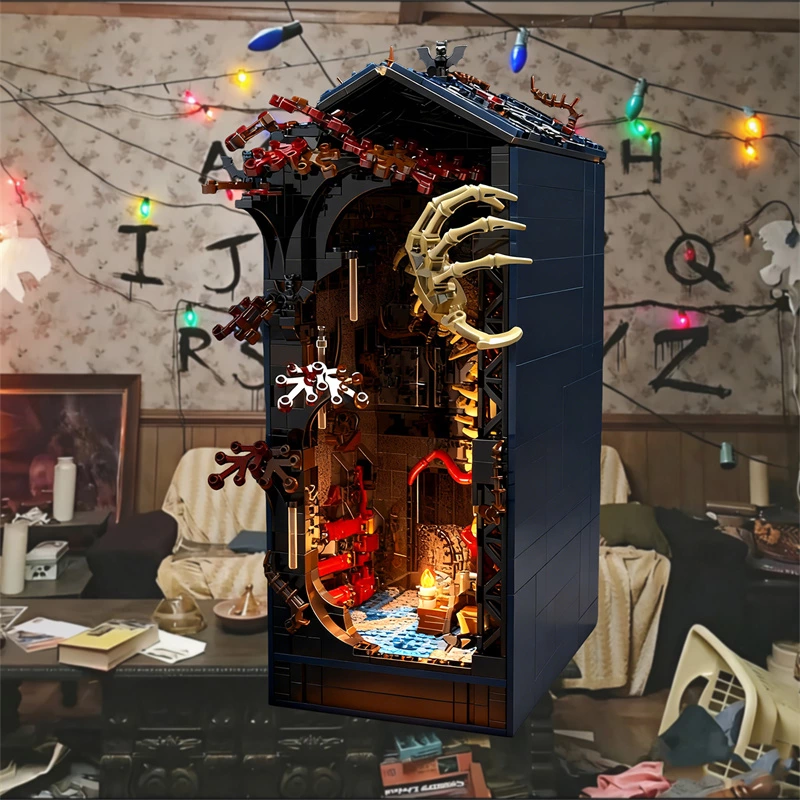
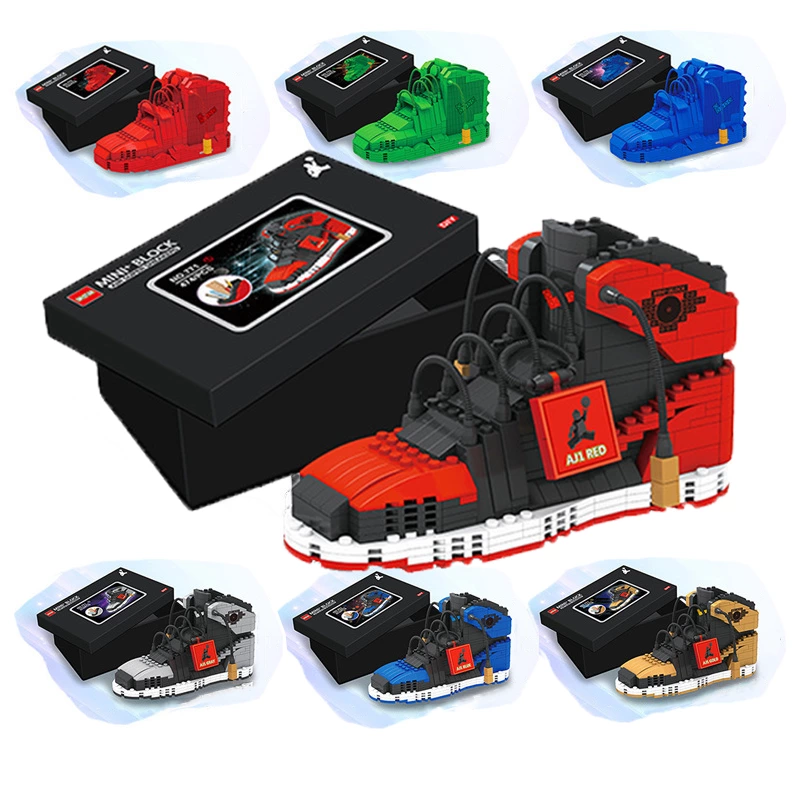
7. Mini bricks and themed model sets
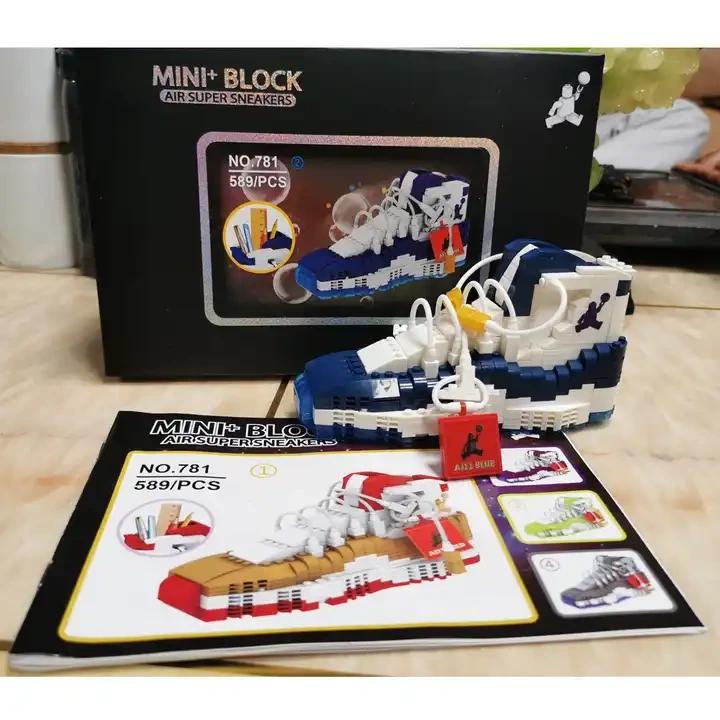
Mini bricks and detailed model sets trade quick assembly for precision and visual detail. They can work well for patient older builders, hobby channels, gifts and display-led ranges. Because the pieces are small, the age grade and choking-hazard analysis deserve particular attention.
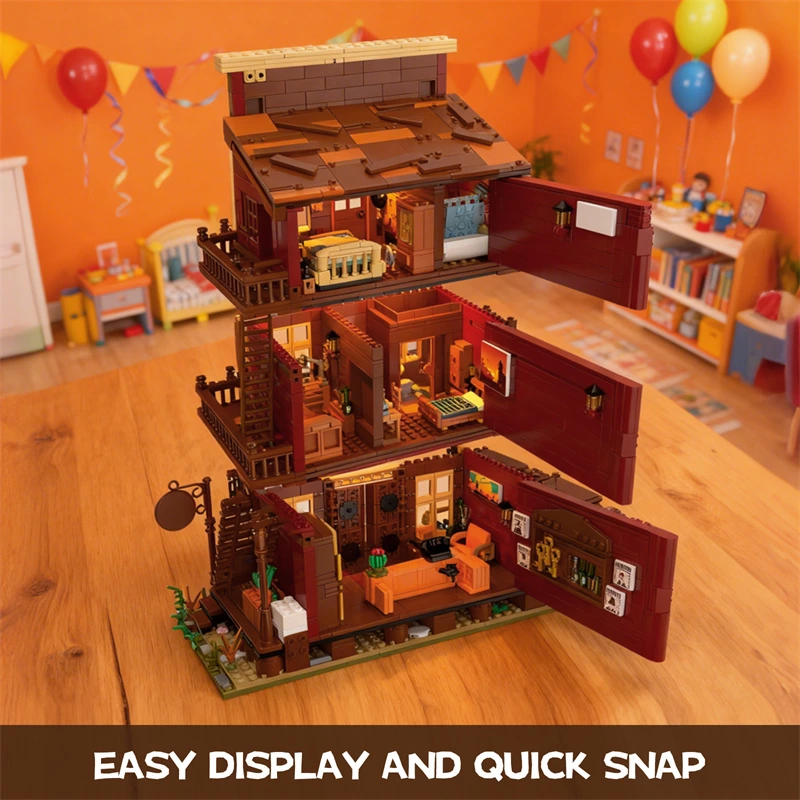
Themed sets also create operational questions: Is the model stable during play? Are bags numbered in the same order as the manual? Can the customer identify a missing piece? Are printed decorations and stickers covered by the product evidence? Is the artwork original or properly licensed?
A good fit when: the range targets detailed builds, storytelling, collectibles or display.
Buyer checks: intellectual-property authorization, small-parts warnings, part sorting, manual clarity, build verification, model stability and after-sales piece replacement.
What does the search "bricks lego" usually mean?
People sometimes type "bricks lego" when they mean LEGO® bricks or, more broadly, interlocking plastic building bricks. These terms should not be treated as interchangeable in product copy.
LEGO® is a trademark of the LEGO Group. Its official Fair Play guidance says the mark should be used as an adjective, as in "LEGO bricks," rather than as a generic name for all construction toys. A non-LEGO product should therefore be described with accurate generic terms such as "interlocking building bricks," "plastic construction bricks" or "building block set."
For buyers, three distinctions matter:
- Brand identity: A generic brick set is not a LEGO® product and should not use LEGO branding, logos, artwork or packaging.
- Compatibility: If compatibility matters, verify the exact geometry and performance on a sample. Compatibility does not imply authorization, sponsorship or equal quality.
- Intellectual property: Product shapes, character designs, artwork, instructions and packaging may involve different rights. Request written authorization for any licensed material supplied by the buyer or a third party.
This independent article is not sponsored, authorized or endorsed by the LEGO Group.
Choose by age, ability and play pattern - not piece count alone
A 500-piece box is not automatically more useful than a 100-piece set. Piece count says little about piece size, shape variety, repeated elements, build difficulty or the quality of the instructions.
Use this sequence instead:
- Define the intended user. Record age, expected dexterity, whether play is supervised and whether the product is for home, classroom, gift or collector use.
- Choose the play pattern. Decide between open-ended building, a guided model, role play, technical functions or display.
- Match the part format. Large blocks, standard bricks, pins and beams, magnetic parts and mini bricks create different handling and safety profiles.
- Set the challenge level. Review step count, repeated assemblies, color differentiation and the amount of adult help likely to be needed.
- Validate the whole product. Age grading applies to the set, accessories, packaging and foreseeable use - not only to the main bricks.
The National Association for the Education of Young Children notes that structured block play can support concepts such as patterning, visualization, symmetry and part-whole relationships. It also recommends adults use spatial words such as "under," "next to" and "behind" during play. The learning value therefore comes from both the object and the way adults and children use it, not from an unsupported "educational" claim on a box.
Safety and compliance: verify the item, not the logo
For the U.S. market, the CPSC's toy safety business guidance explains that ASTM F963 is incorporated into the mandatory federal toy safety framework under 16 CFR part 1250. The CPSC's toy safety FAQ states that toys intended primarily for children 12 and under generally require third-party testing by a CPSC-accepted laboratory and a Children's Product Certificate covering applicable rules. Small-parts, lead, phthalates, tracking labels and other requirements may also apply.
In the EU, the European Commission's toy safety overview confirms that the new Toy Safety Regulation entered into force on January 1, 2026 and will apply from August 1, 2030 after a transition period. Current projects must follow the applicable framework during that transition while brands preparing long-life ranges should organize model, material, testing and traceability data for future requirements.
For a fuller market-by-market explanation, use CAYI's building block toy safety standards checklist. It explains why one report or certificate image is not automatically valid for every SKU, material, color, electronic component or destination.
At minimum, ask whether the evidence identifies:
- The exact product name, model and photographs
- Intended age and foreseeable use
- Materials, colors, coatings, stickers and electronic components
- The tested standard and applicable sections
- Laboratory, test date and report number
- Tested sample description and any limitations
- Required warnings, traceability and importer information
How to test a sample before a wholesale order
Laboratory reports address regulated hazards; a buyer still needs a commercial sample review. Use the same approved sample and document every decision so the production reference is unambiguous.
Build the model from beginning to end
Do not inspect only a finished showroom sample. Follow the consumer instructions, open bags in order and note unclear steps, missing callouts, hard-to-distinguish colors and assemblies that repeatedly come loose.
Repeat high-use connections
Assemble and separate representative bricks multiple times. Look for cracking, whitening, deformation, loose fits, excessive force and parts that no longer sit flush. Record observations by part number rather than relying on a general impression.
Check every consumer touchpoint
Review bag numbering, part inventory, labels, warnings, instruction language, box claims, barcode placement and customer-service information. An accurate model inside an inaccurate package is still not ready for market.
Define the change-control rule
Agree in writing which changes require buyer approval: material, pigment, mold, decoration, supplier, battery, wire, packaging or factory location. A production change should trigger a documented review of whether samples or compliance evidence need to be updated.

What to include in a building block RFQ
A useful request for quotation lets the manufacturer evaluate the actual project instead of guessing from a reference picture. Include:
- Target market or countries
- Intended age and sales channel
- Product type and brick format
- Original concept, authorized IP files or reference mood board
- Approximate finished size and desired piece range
- Open-ended, guided, technical, light, sound or motor functions
- Packaging format and required languages
- Compliance and document expectations
- Forecast quantity and launch window
- Sample deadline and decision process
- Replacement-parts and after-sales expectations
If design ownership and speed are still undecided, compare OEM and ODM building block development before requesting prices. A custom box around an existing model and a new set with original parts are different projects and should not share one vague quotation.
Questions buyers ask
What are the best building blocks for kids?
The best format depends on the intended age, abilities and play goal. Large blocks can reduce handling difficulty for early builders, standard bricks suit many open-ended and guided builds, and technical or mini-brick sets can provide more challenge. The specific product's verified age grade and warnings should control the final decision.
Are small building bricks safe for children under 3?
Toys intended for children under 3 must not present prohibited small parts under applicable rules. The CPSC advises keeping toys with small parts away from children younger than 3. Do not rely on a marketing description; check the exact product's age guidance, warnings and compliance evidence.
Are all interlocking bricks compatible with LEGO® bricks?
No universal compatibility claim should be assumed. Brick dimensions, connection force, color, surface finish and special elements can vary. Test the exact products together if compatibility is important, and do not imply that compatibility creates affiliation with the LEGO Group.
Which material is best for building block toys?
There is no single best material for every format. Plastic interlocking bricks, wood, foam and magnetic systems create different play and manufacturing requirements. Buyers should evaluate the material specification, intended use, product design and item-level test evidence together.
What should a wholesale buyer request before ordering?
Request an approved sample, part list, instructions, packaging files, destination-market compliance plan, item-level test evidence, production specification, change-control process and written terms for missing or replacement pieces.
Start with the product brief, not a copied set
Buyers can browse CAYI's building block set catalog to compare themes and formats, or review the custom building block toy process for an original OEM/ODM project.
For a useful first review, send the intended age, destination market, concept, functions, packaging, estimated quantity and launch date. CAYI can then assess whether an existing design, a customized model or a new development path is the better fit.
LEGO® is a trademark of the LEGO Group, which does not sponsor, authorize or endorse this site.