How to Source Custom Book Nook Kits: OEM/ODM Checklist for Retailers
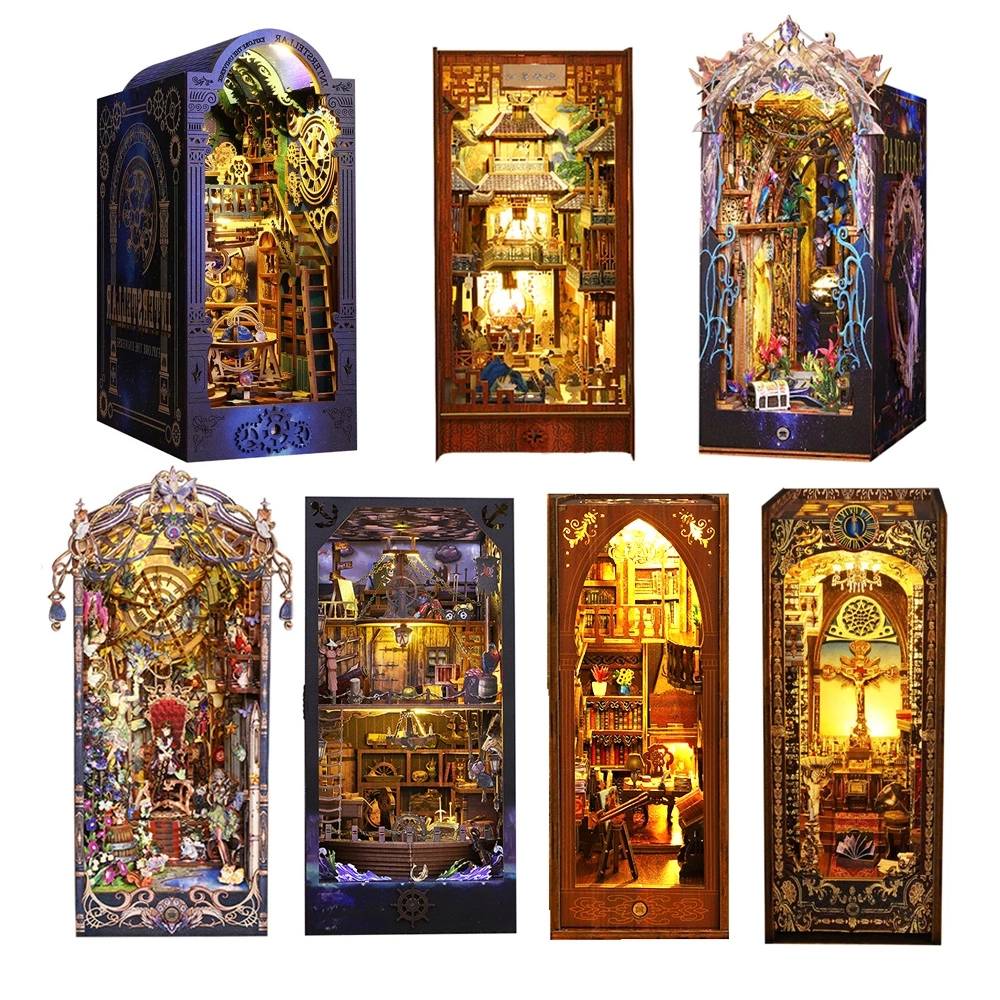
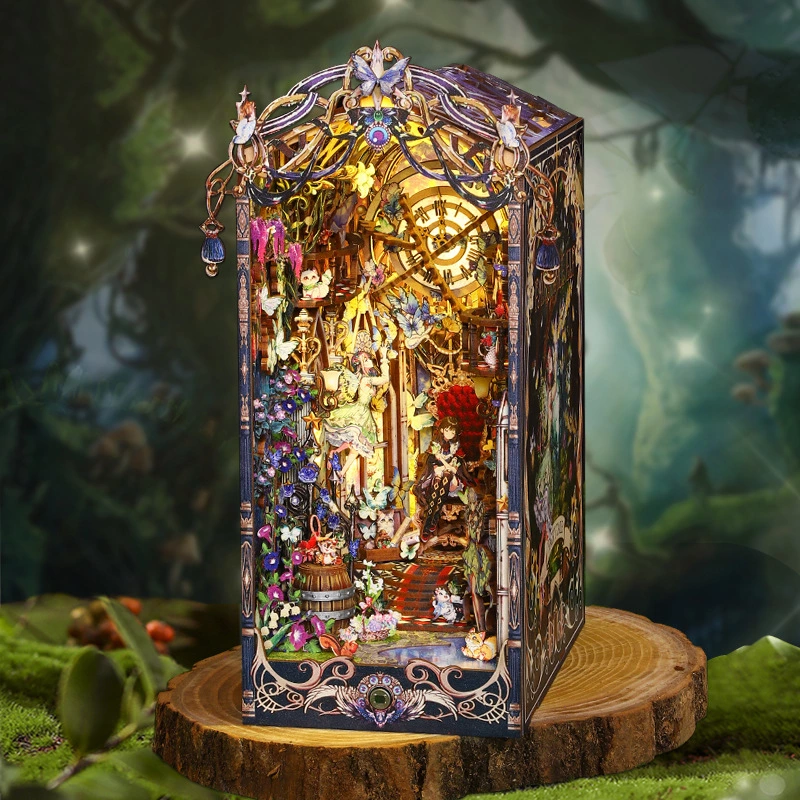
To source custom book nook kits, first choose the right project level: wholesale existing designs, private-label customization or a fully custom OEM/ODM scene. Then evaluate the manufacturer's design rights, material control, lighting system, assembly engineering, instructions, packaging, compliance evidence and quality process. MOQ and lead time should be quoted from an approved brief because a branded box and a new illuminated scene require very different work.
Key takeaways for retailers and brands
- Separate wholesale, private label and full-custom development before comparing prices.
- Ask who owns the scene, artwork and production files; do not assume every widely sold kit is an original factory design.
- Evaluate the entire user experience: cutting and printing quality, part completeness, lighting, assembly sequence, instructions and shelf-ready packaging.
- Define intended age and destination markets early because classification, warnings, test requirements and documentation can change.
- Do not compare MOQ without comparing customization scope.
- Use a signed sample, BOM and packaging specification to control mass production.
Three ways to source book nook kits
1. Wholesale existing models
The buyer orders an existing design in its current product and packaging configuration. This is the fastest way to test the category or expand an assortment, but it offers limited differentiation and the same design may be sold through many channels.
Best for:
- Bookstores adding a small craft range
- Gift shops testing customer demand
- Distributors expanding a catalog quickly
- Ecommerce sellers validating themes before custom development
2. Private label or modified ODM
The manufacturer provides an existing design while the buyer changes agreed elements such as the brand name, package artwork, instruction cover, color details, assortment or selected accessories.
Best for:
- Retailers that need branded packaging
- Importers building a regional product line
- Brands that want a faster launch than full custom
- Buyers that can differentiate through curation, packaging and channel strategy
3. Full-custom OEM/ODM development
The project begins with a new theme, licensed scene, architectural reference, story concept or buyer-owned design. The manufacturer develops the structure, layers, materials, printed graphics, lighting, instructions and packaging around the brief.
Best for:
- Publishers and bookstores developing book-related merchandise
- Museum and tourism gift programs
- Licensed-IP owners
- Corporate and cultural gift projects
- Brands planning an exclusive collection rather than a single generic SKU
Wholesale vs private label vs custom book nook kits
| Decision factor | Wholesale | Private label / modified ODM | Full custom OEM/ODM |
|---|---|---|---|
| Base design | Existing | Existing with agreed changes | New or substantially redeveloped |
| Brand differentiation | Low | Medium | High |
| Development work | Minimal | Artwork, packaging and selected product changes | Scene, structure, materials, lighting, instructions and packaging |
| Sampling focus | Product approval | Branding and changed components | Engineering, appearance, assembly and retail pack |
| IP review | Confirm resale rights and authentic source | Confirm base-design and branding rights | Confirm ownership/licensing for every supplied reference |
| MOQ drivers | Existing stock and case pack | Printing and packaging setup | Development, tooling, materials, electronics and production efficiency |
| Best objective | Test demand | Launch a branded range faster | Build an exclusive long-term product |
What should be in a custom book nook brief?
A useful brief lets the manufacturer evaluate design feasibility and quote comparable options. Include:
- Target customer: adult hobbyist, teen builder, gift buyer, tourist, book fan or another defined audience
- Destination markets: countries where the product will be sold
- Intended age grade: based on design, assembly difficulty, small parts and marketing
- Sales channel: bookstore, museum shop, department store, ecommerce, marketplace or corporate gift
- Theme and story: architectural style, period, location, mood and key visual moments
- IP status: original concept, public-domain reference, licensed artwork or buyer-owned design
- Finished dimensions: shelf opening, depth, height and display orientation
- Materials: wood, acrylic, paperboard, plastic, metal, fabric or mixed materials
- Visual finish: laser engraving, full-color print, paint, electroplating, transparent parts or mirrored effects
- Lighting and functions: LED color, power source, switch, sensor, sound or motion
- Assembly target: desired build time, skill level, tools, glue and spare-parts policy
- Packaging: box format, insert, languages, barcode, warning labels and retail display needs
- Quantity: sample quantity, first order and forecast by SKU
- Commercial target: planned retail position or target landed-cost range
- Timing: sample approval, production and delivery deadlines
Reference images are useful, but they should explain the design direction-not invite the factory to copy a protected product.
Nine criteria for choosing a custom book nook kit manufacturer
1. Original design and IP control
Ask the supplier to explain where the design came from and what rights are available. For a fully custom project, confirm ownership of the buyer's artwork, scene files, printed graphics and packaging. If a project uses a book cover, film scene, character, building, logo or artist's work, verify permission for the intended product and markets.
Useful questions include:
- Is this an original design or a design licensed from another party?
- Can the same model be sold to other buyers?
- Who owns the digital files after development?
- What exclusivity is available, for which territory and period?
- Can the factory provide a written IP warranty appropriate to the agreement?
2. Material and cutting consistency
Book nook kits may combine laser-cut wood, acrylic, printed paperboard, plastic parts, metal hardware and decorative finishes. Check thickness, flatness, edge quality, warping, odor, surface finish and print adhesion on the approved sample.
Material substitutions can affect fit, appearance, compliance and assembly. Record the approved material specification rather than accepting "wood" or "plastic" as a complete description.
3. Scene and structural engineering
A strong render can still become a frustrating kit. The structure must support reliable assembly and a convincing final scene.
Review:
- Tab and slot fit
- Layer alignment and sight lines
- Access for wiring and switches
- Stability before and after final assembly
- Tolerance around acrylic and printed inserts
- Whether fragile parts are protected during building
- Whether the completed kit fits normal bookshelves as promised
4. Lighting and electronics
Lighting is a major value driver, but it also introduces failure points and additional compliance questions. Define:
- LED color and brightness
- Constant light, touch, button, motion or vibration trigger
- Battery, USB or other power source
- Battery inclusion and replaceability
- Wire routing and connector protection
- Access for repair or replacement
- Electrical and market-specific test requirements
- Shipping implications of included batteries
Approve the actual production lighting system, not only a hand-built demonstration sample.
5. Assembly and instruction validation
Ask someone who did not design the kit to assemble the sample using only the supplied instructions. Record unclear steps, reversed parts, color confusion, missing labels and points where components can easily break.
Good instructions should:
- Match the final numbered or bagged parts
- Use consistent names, colors and orientations
- Show wire routing before access is closed
- Identify delicate steps and drying time where relevant
- Include safety and battery information required by the market
- Be reviewed in every published language
6. Parts counting and replacement policy
One missing piece can turn a positive gift purchase into a return. Evaluate how the factory counts, bags and verifies parts. Agree whether spare pieces are included, how replacement requests are handled and what evidence the buyer needs to keep.
For wholesale programs, define whether the supplier provides spare-parts packs, replacement kits or credit for verified defects.
7. Retail packaging
Packaging has to protect fragile layers and electronics while explaining the product accurately. Review:
- Finished dimensions and actual contents
- Age grade and warnings
- Assembly time and difficulty claims
- Battery inclusion
- Material and disposal information where required
- Barcode and importer/manufacturer details
- Language requirements
- Inner protection and master-carton strength
- Marketplace image and claim consistency
Do not approve package artwork before the product specification and compliance statements are stable.
8. Compliance planning
Whether a book nook is treated as a toy, hobby product, decorative product or electrical product depends on the design, intended user, marketing and local law. An "adult" label does not automatically decide the classification.
Tell the factory the target countries and intended age before sampling. If the kit includes small parts, LEDs, batteries, magnets, adhesives or coatings, include them in the compliance review. For children's products, review CAYI's building block toy safety standards checklist.
9. Sample and change control
The approved sample should be linked to a revision-controlled specification that includes:
- BOM and material details
- Print files and color references
- Lighting and electronic components
- Assembly instructions
- Packaging artwork
- Quality limits and inspection method
- Test report references
- Agreed substitute-component process
If the factory changes a board, LED, wood thickness, print supplier or coating, the buyer should receive a documented change request before mass production.
What affects book nook MOQ and price?
MOQ is not only a factory policy; it often comes from the most restrictive component in the project. Common drivers include:
- Existing product availability
- Custom box and print setup
- Number of unique printed sheets
- Wood or acrylic specification
- Custom-molded or plated components
- Electronics and battery holder sourcing
- Number of SKUs sharing the same components
- Manual assembly, sorting and packing time
- Compliance samples and documentation
- Order quantity per design, not only total order quantity
Ask for quantity tiers and separate one-time charges. A useful quotation distinguishes product development, sample, tooling, test, packaging setup, unit price and freight.
Avoid forcing a target MOQ before the scope is clear. Instead, tell the supplier the pilot quantity and annual potential, then ask which design or packaging choices would make that volume feasible.
A practical sample approval checklist
Appearance
- Correct scene, proportions and color mood
- Clean cutting and printing
- No unacceptable warping, scratches, stains or odor
- Consistent lighting effect
Assembly
- All parts present and correctly identified
- Tabs, slots and layered parts fit as intended
- Instructions match the final components
- Wires and switches remain accessible
- Finished model is stable and fits the stated dimensions
Retail readiness
- Box images match the delivered product
- Contents and battery status are clear
- Barcodes, warnings and responsible-party details are correct
- Inner pack prevents common shipping damage
- Master carton and quantity markings are approved
Documentation
- Final specification and revision number
- Approved BOM and component sources
- Applicable test reports and declarations
- Inspection criteria and defect handling
- Replacement-parts process
Plan backward from the retail launch
Seasonal book nook designs can lose most of their value if they arrive after the selling window. Build a milestone plan covering concept approval, design, sample rounds, compliance review, packaging, mass production, inspection and transport.
Keep buffer for:
- Design revisions after physical assembly
- Laboratory questions or retesting
- Packaging corrections
- Peak-season capacity
- Battery or electronic component lead times
- Customs and port disruption
A promise of a short production time is not useful if it excludes design approval, tests, packaging or shipping.
What CAYI can support
CAYI supports custom book nook development from sketches or design files. Available project options can include laser-cut wood, acrylic, printed finishes and modular lighting, sound or motion components. Buyers can start with existing wholesale book nook kits or discuss a custom book nook solution for private-label and original projects.
Every project should be reviewed for design rights, materials, intended age, target-market compliance, packaging and quantity. Send those details through the CAYI contact page for a project-specific proposal.
Frequently asked questions
What is the difference between a book nook wholesaler and manufacturer?
A wholesaler resells existing products, while a manufacturer controls or coordinates product development and production. Some businesses do both. Ask who owns the design, where production occurs and who controls samples, materials and quality records.
Can I put my logo on an existing book nook kit?
Often yes, subject to the manufacturer's rights, packaging MOQ and agreed branding scope. Confirm whether the change is a label, sleeve, new color box or full private-label package.
Can a manufacturer create a book nook from my store or building?
Yes, if usable reference files and the necessary rights are available. The manufacturer will still need to simplify the scene into manufacturable layers, parts, lighting and assembly steps.
What is a normal MOQ for custom book nook kits?
There is no single normal MOQ. Existing stock, custom packaging, new printed scenes, special materials and electronics have different minimums. Request quote tiers based on a defined project scope.
How should I protect a custom theme?
Use written agreements covering confidential files, design ownership, exclusivity, production rights and tooling. Confirm licenses for any third-party artwork, characters, buildings or brands before development.
Do LED book nook kits need additional testing?
They may. Requirements depend on the power source, components, intended age, marketing and destination. Include the complete production lighting system in the compliance review.
What causes the most book nook customer complaints?
Common preventable risks include missing parts, unclear instructions, warped or poorly fitting layers, damaged packaging and lighting failures. A third-party assembly trial and controlled parts-counting process help identify these issues before shipment.
Send a brief that a manufacturer can evaluate
For a useful first response, include the target customer, destination countries, design or theme, dimensions, materials, lighting, packaging, quantity and launch date. Attach sketches or references only when you have the right to use them.