Custom Mini Figures: An OEM/ODM Sourcing Checklist for Brands
Quick answer: Custom mini figures are figures produced to a buyer's own design, colour scheme and packaging rather than taken from a stock catalogue. Four decisions drive almost all of the cost and risk: where the design comes from, which tooling route you take, how the figure is decorated, and which connection standard it must match. Settle those four before you ask for a quotation.
Key takeaways
- The design source decides everything downstream. Produce a figure you own, or a property you hold written rights to - not a reference you found.
- Connection standard and clutch force must be fixed before tooling, because an incompatible figure cannot be corrected once a mould is cut.
- Decoration, not size, usually drives unit cost. Moulded-in colour is the cheapest route; multi-colour printing and hand painting are not.
- New tooling is a one-time cost that needs an explicit ownership and exclusivity clause, not a verbal understanding.
- Sample approval runs in gates - white sample, coloured sample, pre-production sample - and each gate should be signed off separately.
- Figures are small-part products. The age grade, warnings and test evidence must match the figure you actually ship, not a similar catalogue item.

Contents
- What counts as a custom mini figure
- The design source decision comes first
- What you can actually customize
- Tooling: new mould, modified mould or existing mould
- Decoration methods and how they change cost
- Connection standards and compatibility
- Sample approval in three gates
- Quality checks specific to mini figures
- Compliance: age grade, small parts and documents
- Packaging for figure programmes
- What to send for a quotation
What Counts as a Custom Mini Figure
The phrase "custom mini figure" covers several different products, and buyers who mix them up receive quotations that cannot be compared. Decide which family you are buying before you approach a supplier, because the family determines the tooling, the decoration method and the quality checks.
| Figure family | How it is produced | Typical use | Specification you must fix |
|---|---|---|---|
| Brick-compatible minifigure | Injection moulded, assembled from separate parts, connects to a brick system | Custom sets, promotional assortments, proprietary figure lines | Connection points, clutch force, hand grip, height and part count |
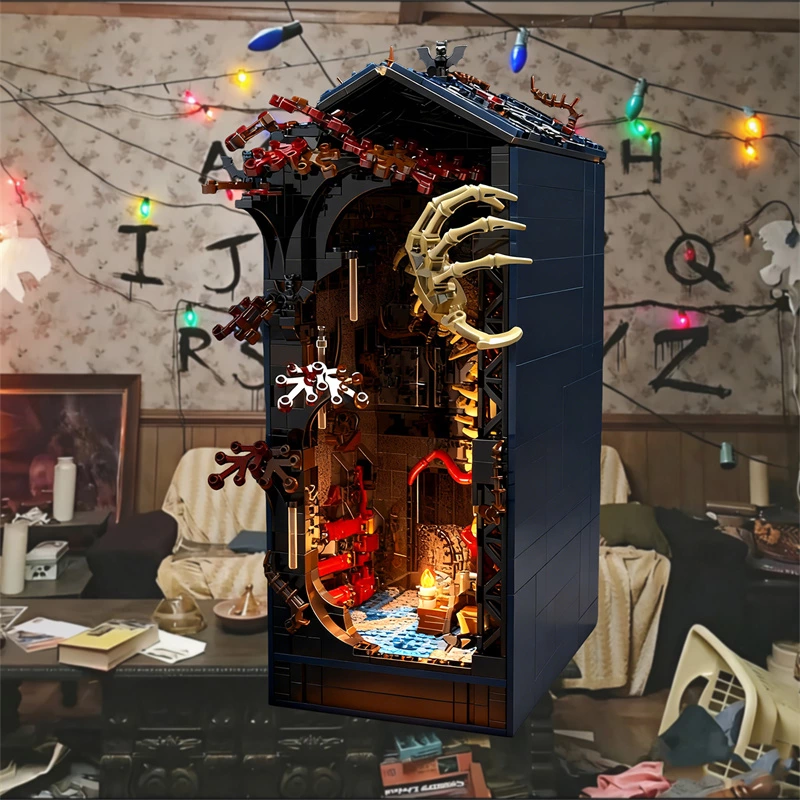
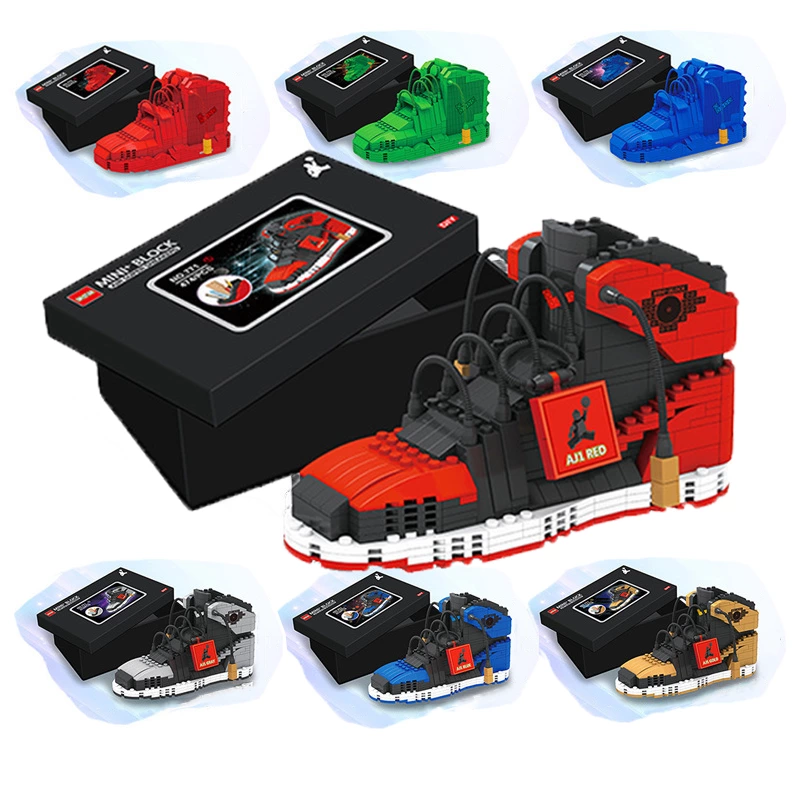
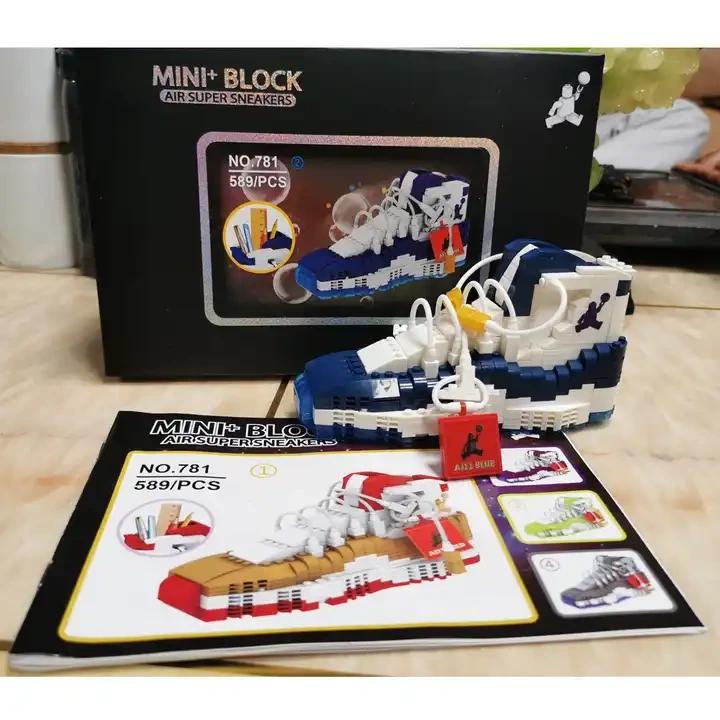
| Brick-built display figure | Built from standard bricks and plates rather than a dedicated figure mould | Collector displays, gift sets, drop-in modules for existing sets | Piece count, finished dimensions, stability, instruction format |
| Standalone moulded figurine | Moulded separately and not designed to connect to bricks | Mascots, desk and keyring items, promotional gifts | Dimensions, pose, material, paint and finish |
The three families share a supply chain but not a quality standard. A brick-compatible figure is judged on how it connects and how it holds a pose; a display figure is judged on how it builds and how it stands; a standalone figurine is judged on surface finish and paint. Ask a supplier which family they quote by default - the answer tells you whether they understood the brief.
The Design Source Decision Comes First
Before tooling, before pricing, decide where the design comes from. This is the single decision that can end a project after the goods are made, and it is the decision buyers most often leave vague.
Intellectual property is not one right but several, and they protect different things. WIPO describes patents, copyright, trademarks, industrial designs and trade secrets as distinct rights; of these, the shape of a figure is closest to an industrial design, which WIPO defines as the ornamental or aesthetic aspect of an article, including three-dimensional features such as shape or surface. A character name, logo or brand mark is a trademark, which WIPO defines as a sign capable of distinguishing the goods of one enterprise from those of another. Packaging artwork, instruction illustrations and character drawings are generally the subject of copyright.
Trademark protection is also tied to specific goods. The USPTO states that a trademark is always connected to the specific goods or services sold under it, and that a holder can legally prevent others from using the same or a similar mark for related goods without permission. Toys and figures are exactly the kind of related goods where that argument is easy to make.
| Design source | Who must hold the rights | What you send the factory | Risk level |
|---|---|---|---|
| Original design developed for you | You, by written agreement | Brief, reference style, mood board, your own artwork | Low, if ownership is documented |
| Licensed property | You, under a licence that covers figures, packaging and territory | Licence scope, style guide, approval contact | Manageable, but approval steps must be planned |
| Design built from someone else's reference | Whoever owns the reference - not you | Usually nothing that can be produced lawfully | High; avoid |
A practical rule for figure programmes: if you cannot produce a document showing that you own the design or hold a licence for it, do not start tooling. A factory that agrees to produce a recognisable character without asking for that document is a factory that will not protect you later. Which route you are buying in the first place is compared in the OEM vs ODM building blocks guide.
Compliance note: This is a sourcing workflow, not legal advice. Confirm ownership, licensing and design clearance for your specific figure, market and channel with a qualified IP professional before tooling begins.
What You Can Actually Customize
Suppliers often answer "anything" when asked what can be customized. In practice each change has a cost and a minimum quantity, so it helps to separate changes that use existing tooling from changes that require new tooling.
| Element | What can change | Typically needs new tooling? |
|---|---|---|
| Dimensions and proportion | Height, limb length, head size, part count | Yes, if the moulded parts change shape |
| Articulation | Whether arms, legs, head or wrists move, and how tightly | Yes, joint geometry is part of the mould |
| Connection points | Which brick system the figure connects to and where | Yes, and it is the hardest change to reverse |
| Face and torso print | Expressions, uniforms, patterns, logos | No, but it needs artwork and print plates |
| Hair, headgear and accessories | Helmets, hats, weapons, tools, keyrings, stands | Depends on whether a suitable part already exists |
| Colour | Body colour, accent colours, transparent or glow parts | No, but colour matching and minimum run apply |
| Packaging | Box, pouch, insert card, display tray, assortment | No, but it needs print artwork and a die line |
Sort your wish list into those two columns before you send it. A brief that mixes "change the face print" with "add movable wrists" reads as one request but is two very different projects, and the quotation will be hard to interpret if the supplier prices them together.

Tooling: New Mould, Modified Mould or Existing Mould
Tooling is usually the largest single line in a custom figure quotation and the part most often misunderstood. There are three routes, and they differ in cost, lead time and who ends up owning the mould.
- Existing mould, your decoration. The figure shape already exists and you change colour, printing and packaging. Lowest cost and shortest lead time, but the shape is not exclusive to you unless the supplier agrees otherwise.
- Modified mould. An existing mould is altered - a new head, a new accessory, a changed torso. Cheaper than a full new tool and often enough to create a distinct product.
- New mould. A figure designed from scratch. Highest one-time cost and longest lead time, and the only route that gives you a genuinely new shape.
Because tooling is paid once and used for years, three things belong in writing before you pay for it:
- Ownership. Who owns the mould, and can you move it to another factory if the relationship ends?
- Exclusivity. Will the supplier sell the same shape to another buyer, and if so in which markets or channels?
- Amortisation. Whether the tooling cost is charged once, or recovered across a fixed number of units.
A supplier who will not discuss mould ownership is telling you something useful. The same discipline applies to the wider manufacturing decision described in CAYI's guide to choosing a custom building blocks manufacturer, where tooling, parts and ownership are reviewed together rather than separately.

Decoration Methods and How They Change Cost
Two figures can use the same mould and cost very different amounts, because decoration is where unit cost is decided. The method also determines how durable the artwork is, which matters for a product that will be handled.
| Method | Best for | Limitations |
|---|---|---|
| Moulded-in colour | Large flat areas and the base colour of a part | One colour per part; separate parts are needed for colour blocking |
| Pad printing | Faces, logos, simple multi-colour graphics on curved surfaces | Each colour usually needs its own plate and pass |
| UV or digital printing | Detailed or small-run artwork with many colours | Wear resistance and cost per unit need to be checked on the sample |
| Heat transfer | Fine detail and photographic artwork on flat or gently curved areas | Positioning accuracy must be controlled at inspection |
| Spray or hand painting | Gradients, shading and premium finishes | Highest labour content; consistency varies most between batches |
Print registration is the defect that shows up first on a figure, because a face is small and a person looking at it is close. Always judge registration, colour and wear on the physical sample, and write the acceptable deviation into the inspection scope rather than describing it as "good quality".
Connection Standards and Compatibility
For brick-compatible figures, compatibility is a specification, not a marketing claim. If the figure must work with a particular brick system, or with your own existing sets, that requirement has to reach the mould designer before the tool is cut.
Fix these points in the specification:
- which brick system the figure must connect to, and at which points;
- the clutch force range - tight enough to hold, loose enough for the target age to assemble;
- hand grip and accessory fit, so a held tool stays held;
- foot-to-base and seat-to-stud geometry if the figure sits or stands on other parts;
- height and proportion, so the figure looks correct beside existing models.
Test compatibility against a physical reference part, not against a drawing. A drawing will not reveal a clutch that is technically within tolerance and still unpleasant to build with. Compatibility also affects safety and instruction design, which is why it belongs in the same document as the technical file discussed in CAYI's building block toy safety standards guide.
Sample Approval in Three Gates
Approving "a sample" is too coarse for a figure project. Split approval into three gates so a problem is caught while it is still cheap to fix.
| Gate | What it proves | What to check before signing off |
|---|---|---|
| White sample | The shape, fit and assembly work | Dimensions, joint tightness, part fit, connection to the reference brick, absence of flash or sink marks |
| Coloured sample | The colour and decoration match the brief | Colour against the approved reference, print registration and position, wear after handling, accessory fit |
| Pre-production sample | The factory can repeat the approved result at volume | Same materials and mould as the approved sample, packaging and insert card, assortment ratio, labelling |
Keep the signed sample sealed and available as the reference for every later batch and reorder. A sample that is approved, photographed and then handed to production cannot settle a dispute six months later; a sealed physical reference can. This is the same principle behind the acceptance planning in CAYI's building block quality control checklist.
Quality Checks Specific to Mini Figures
Figures fail differently from brick sets, so a general building block checklist is not enough on its own. Add these checks to the inspection scope and agree the sampling plan and acceptance level before production.
| Check item | Acceptance reference | Common defect |
|---|---|---|
| Articulation | Joints move smoothly and hold a pose under normal handling | Too loose to hold, too stiff to move, joint cracks |
| Print registration | Face and torso artwork aligned to the approved sample | Off-centre eyes, tilted logos, missing print pass |
| Colour match | Same batch and reorder match the sealed colour reference | Visible shade difference between figures in one box |
| Moulding finish | No sharp flash, visible parting lines or sink marks | Flash that scratches, marks that show on the face |
| Grip and accessories | Held items stay held; accessories fit without force | Accessory falls out, hand cracks when fitting |
| Assortment and count | Figures, accessories and bases per box match the packing list | Wrong character mix, missing accessory, wrong ratio |
Compliance: Age Grade, Small Parts and Documents
Figures sit at the sharp end of toy compliance because they are small, they have moving parts and they are often marketed to collectors as well as children. The age grade you declare decides which requirements apply, and the evidence must cover the figure you actually ship.
For the United States, the U.S. Consumer Product Safety Commission states that applicable ASTM F963 requirements are mandatory for children's toys under 16 C.F.R. part 1250. For the European Union, the European Commission sets out the safety, documentation, conformity, marking, traceability, instruction and warning duties that apply to manufacturers and importers placing toys on the market.
Three practical consequences for figure programmes:
- Age grade drives the mould, not the marketing. A figure intended for a younger age band may need different small-part and edge treatment than the same figure sold as a collector item.
- Documents must match the shipping configuration. A report for a similar figure in different colours, materials or packaging does not automatically cover your order.
- Warnings and traceability are part of the artwork. If they are missing from the packaging files, they will be missing on the shelf.
Compliance note: Requirements differ by market, age grade and product. Confirm the current rules for your figure and destination with the responsible authority, a qualified laboratory or a compliance professional.
Packaging for Figure Programmes
Figures are usually sold as an assortment rather than a single unit, so packaging carries part of the product design. Decide the selling format early because it changes the print artwork, the carton configuration and the inspection scope.
- Blind box or surprise format - needs a fixed assortment ratio, a sealed inner bag and a way to verify the mix per carton.
- Display box or tray - needs a die line, a shelf-ready structure and a stable count per tray.
- Window or blister pack - shows the figure, so the figure itself becomes part of the packaging impression and must be inspected as such.
- Pouch with insert card - lowest packaging cost, and the usual route for promotional and gift-with-purchase programmes.
Packaging, instructions and product must stay aligned through production, which is the same alignment problem described in CAYI's guide to private label building blocks. If you are preparing a branded programme, plan the artwork and the figure specification together rather than one after the other.
What to Send for a Quotation
A factory can only price what it can define. Send the same brief to every candidate supplier so the quotations you receive can be compared line by line. CAYI reviews OEM and ODM projects against a brief that covers:
- figure family, and whether it must connect to a specific brick system;
- design source, plus the ownership or licence document that supports it;
- what is changing - shape, articulation, print, accessories, colour, packaging;
- dimensions and part count, or a physical reference the factory can measure;
- decoration method you expect, and the artwork file;
- target age grade and destination markets;
- quantity by figure and by SKU, and the assortment ratio if figures are sold together;
- packaging format, artwork status and carton requirements;
- required sample gates and who pays for each;
- target launch date and delivery terms.
Missing items are where quotations diverge. If one supplier quotes a figure-only price and another quotes a complete boxed programme, the numbers are not comparable even though both look like unit prices. The comparison discipline is the same as the one described in CAYI's quality control workflow: define scope first, then compare.
Red Flags When Comparing Figure Suppliers
- Willingness to produce a recognisable third-party character without asking for proof of rights.
- A quotation with no breakdown between tooling, unit cost and packaging.
- No answer on mould ownership, or an answer that changes when asked twice.
- Approval requested on a photograph instead of a physical sample.
- Compliance documents offered for a different figure, colour or age grade.
- Assortment ratios that cannot be verified per carton.
Frequently Asked Questions
What is a custom mini figure?
A custom mini figure is a figure produced to a buyer's own design, colour and packaging rather than selected from a stock catalogue. It can be a brick-compatible minifigure, a figure built from standard bricks, or a standalone moulded figurine. The production route and the quality checks differ by family, so the family should be stated in the brief.
Can a manufacturer produce a figure based on a licensed character?
Only if you hold rights that cover that use. Character names and brand marks are trademarks, figure shapes are closest to industrial designs, and artwork is generally copyright, so a licence usually has to cover the figure, the packaging and the territory. Confirm the scope in writing before tooling; a supplier's willingness to copy a character is not a substitute for a licence.
How much does new figure tooling cost?
It depends on the number and complexity of moulded parts, so no single figure applies across projects. The useful comparison is not the headline tooling number but the total: tooling plus unit cost at your quantity, plus decoration, packaging and testing. Ask for those lines separately so you can see which one drives the total.
How long does a custom figure project take?
Lead time is driven by the tooling route and the number of approval gates. Using an existing mould with new decoration is much faster than cutting a new tool, because the shape approval step disappears. Ask each supplier to give the schedule in stages - design, tooling, white sample, coloured sample, production - so you can see where the time actually goes.
How many figures is the minimum order?
Minimum quantity depends on tooling, decoration method and packaging rather than on the figure alone. Pad printing generally has a higher minimum than moulded-in colour, and a new mould has a higher minimum than a modified one. Instead of asking for one number, ask what the minimum is for each route and how it changes if you add colours or a second SKU.
Who owns the figure design and the mould?
That is a contract question and it should be answered before tooling is paid for. Ownership and exclusivity are separate: you may own a design while the supplier retains the physical mould, and you may commission a shape that the supplier is also free to sell elsewhere. Put both points in writing, including what happens if you move production later.
Start a Custom Mini Figure Project
A custom figure programme goes wrong in the same places every time: an unresolved design source, tooling that was never defined, and an approval that happened on a photograph instead of a sample. Fixing those three early is cheaper than fixing them after production.
Review CAYI's custom mini figure solution, browse the brick-head figures range, or send a project brief. Include the figure family, design source, tooling route, decoration method, age grade, quantity by SKU, packaging format and target launch date so the brief can be reviewed against a defined specification.